








The president of Spain’s broadcaster says he has lost faith in the contest’s organizers.
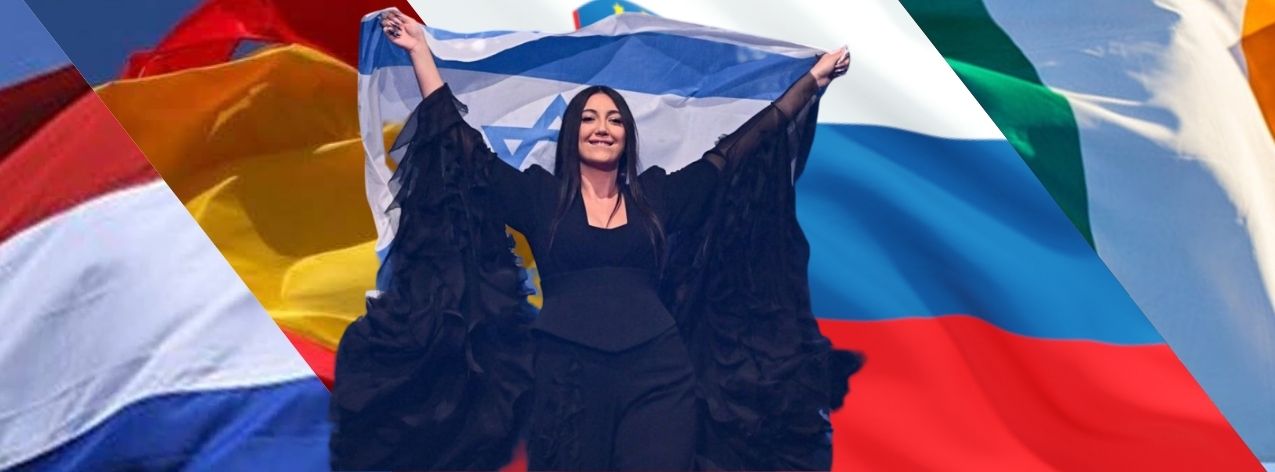
An unprecedented simultaneous withdrawal of four countries, participating in Eurovision 2026, has already been described as “the most severe crisis in the history of the Eurovision Song Contest” by the BBC. The withdrawal follows the General Meeting of Members in Geneva, where the EBU has decided that Israel can participate in the competition this year. According to the broadcasters, the meeting showed “that concerns about the neutrality and apolitical nature of the contest remain great” for participating countries.
Prior to October, the EBU had been planning to hold an official vote among the participating parties in order to decide whether Israel would be allowed to take part in the 70th edition of the contest in Vienna in May 2026. A vote on Israel’s participation was due to take place in November, but it was cancelled after the declaration of a ceasefire in October. In the end, the EBU decided not to hold a vote but highlighted “targeted changes” should be introduced to improve neutrality. The additional measures aimed at preventing political interference and tensions during the contest failed to please several participating countries, resulting in Spain, the Netherlands, Slovenia and Ireland withdrawing from Eurovision 2026 altogether.
Spain Withdraws From Eurovision 2026
One of the countries that has withdrawn from this year’s edition is Spain, a member of the ‘Big Five’ group – the five states that make the biggest financial contribution towards the organisation of the Eurovision since the start of the contest. At the Geneva summit, Spain led a bloc of eight countries in calling for another vote on Israel’s participation. EBU has reportedly denied the request, and instead tied Israel’s participation to a separate vote on stricter measures ensuring the fairness of the voting system.
Spanish broadcaster RTVE explained that while it recognizes the new rules adopted by the EBU to ensure neutrality in contest voting, it still considers the changes insufficient. The president of Spain’s broadcaster, José Pablo López Sánchez, claims he has lost faith in the contest’s organizers. He also took to social media to post an angry statement saying, “this point should never have been reached” and accusing the EBU of being swayed by “political and commercial interests”. RTVE confirms it will not broadcast any of the Eurovision 2026 shows — neither the Semi-finals nor the Final.
The Netherlands Withdraw From Eurovision 2026
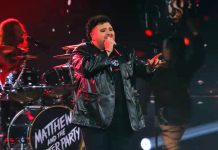
The controversial decision to allow Israel’s participation led to the Netherlands’ decision to withdraw as well. With the elimination of the Dutch participant Joost Klein from last year’s contest still being fresh and the EBU’s refusal to exclude Israel despite lengthy Israel and Gaza tensions, Dutch broadcaster AVROTROS concluded “a limit has been reached”:
“What happened last year; the violation of universal values such as humanity and free press, but also the political interference in the previous edition of the Eurovision Song Contest, means that a limit has been reached for us”, says the official statement. “That remains leading, regardless of the steps taken after that. The situation in Gaza also remains extremely worrying and vulnerable. It is currently too early to speak of a substantial, stable improvement that justifies participation in the Eurovision Song Contest from our values.”
AVROTROS has underlined that certain values are non-negotiable and questioned the unifying nature of Eurovision. “Culture connects, but not at all costs. What happened over the past year is touching our limits. Universal values such as humanity and the free press have been seriously violated and are not negotiable for us. In addition, last year’s political interference showed that the independence and unifying nature of the Eurovision Song Contest is no longer self-evident.”
Ireland and Slovenia Withdraw From Eurovision 2026
Ireland, which has also withdrawn from the contest, pointed out its exit follows a “careful and thoughtful” process, aligning with RTÉ’s values. The national broadcaster had earlier declared that Ireland’s participation would depend on the outcome of EBU’s decision regarding Israel. Ireland holds the record for the most victories in the Eurovision Song Contest along with Sweden.
The fourth country to have withdrawn, Slovenia, represented by broadcaster RTVSLO, stated that their participation in Eurovision 2026 under the current circumstances is no longer possible. The broadcaster believes that the concerns brought out by several countries at the assembly in Geneva, regarding neutrality, independence and the apolitical nature of the contest remain unresolved.
As of today, 32 countries remain confirmed to participate in Eurovision 2026. However, this figure is still not carved in stone, following the EBU’s green light to Israel’s participation. At the same time, had the EBU chosen to exclude Israel from this year’s contest, Eurovision 2026 would still have gone down from 36 to 34. Earlier this year, both Germany and Austria stated that if Israel was refused participation, they would have left the contest as well. The Austrian broadcaster had even indicated they would refuse to host Eurovision 2026 in Vienna if Israel was boycotted from the event.
Eurovision Song Contest 2026 will mark the 70th anniversary of the contest. The two semi-finals are scheduled on 12 and 14 May, and the Grand Final is to take place on 16 May next year, held at Wiener Stadthalle in Vienna, following the win by operatic singer JJ with the song “Wasted Love” this May.

